Dominic Winter Auctioneers: 2025 Photography Highlights
With Specialist Chris Albury
Introduction
The photography market continues to be challenging, and this can be attributed to a combination of factors – changing tastes and collecting patterns, (institutionally and privately), and a shortage of the ‘right’ material. Add to that, funding challenges, ever-increasing export paperwork complications and costs, ongoing financial uncertainty in the world at large, and it is no surprise to find collecting and selling hesitancy. However, as with all collecting areas there is no shortage of people looking to buy and collect, and when everything aligns prices are excellent.
Highlights of the Year
Early Photography from Japan
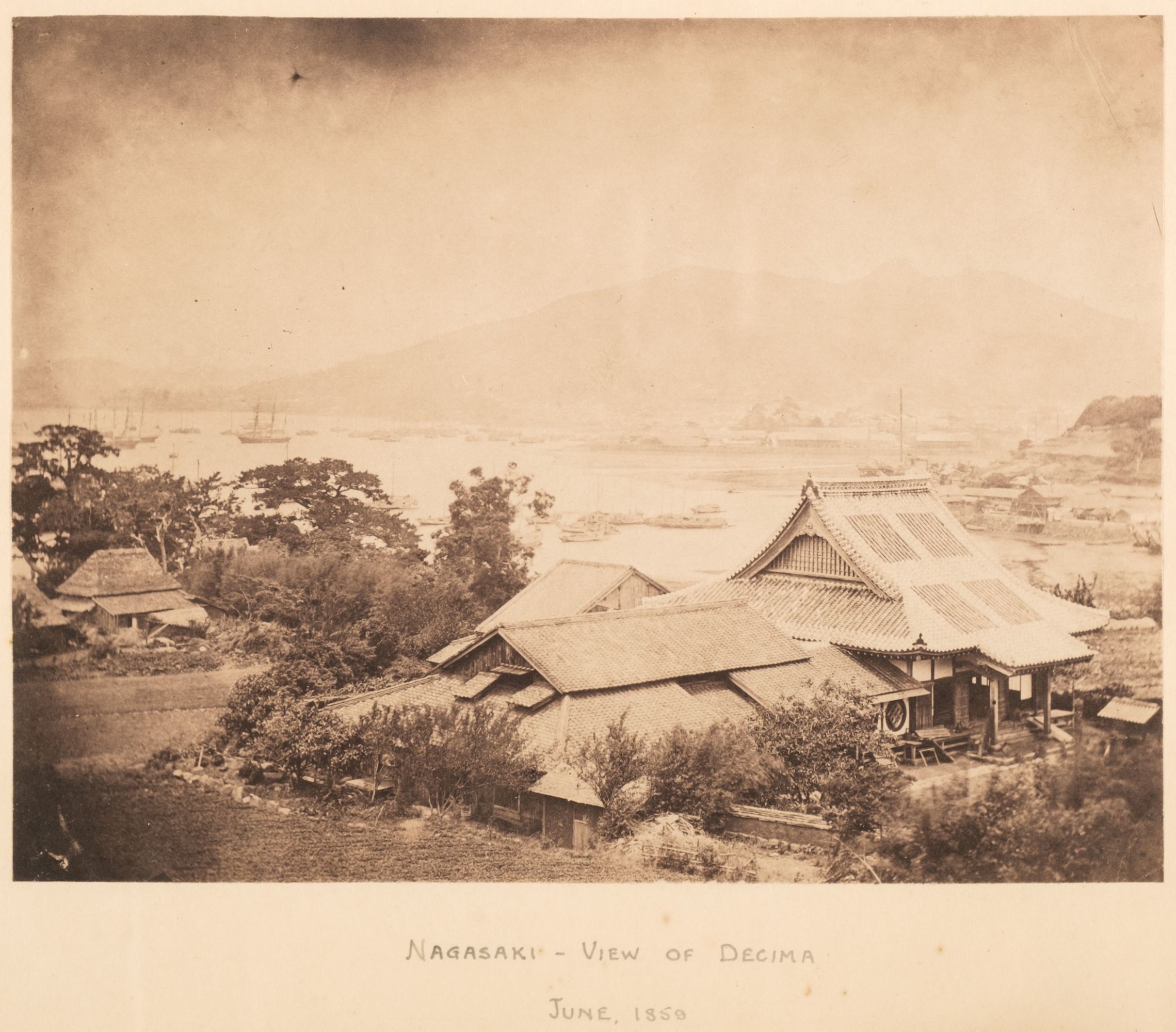
The photographic highlight for me this year was a salt print photograph of Nagasaki, Japan, from June 1859. Recognising this as a very early date for any photograph from Japan, further research identified this as being the work of British consul and amateur photographer Abel Gower. Amazingly, another albumen print of the same image exists in Yokohama, but this salt print would likely pre-date that one and we were able to claim that this is the earliest salt print of Japan extant. Unmentioned and tucked in at the back of the aforementioned Alcock album this was another case of the thrill of the chase when one unexpectedly turns up an important discovery.
Far East Photography
China and Asian photography remain stronger themes in the 19th-century photography market especially, but with private collections thin on the ground there were fewer highlights this year. A good album of 24 photographs of Shanghai and Peking from c. 1880, was well bid on, while an unrecorded eight-part albumen print panorama of the foreign settlement at Shanghai by D. Satow from 1895, also proved popular, and there were further successes for Shanghai panoramas from the early part of the twentieth century.

Documentary and Military Photograph Albums
Notable among the photograph albums was a ‘complete’ series of 78 photographs relating to the Abyssinian War of 1868, taken in Abyssinia, from Zoulla to Magdala, by the photographers of the 10th Company, Royal Engineers, 1868. Augmented by the compiler with further photographs of India, Middle East and North Africa, the album was heavily viewed and enquired after.
Travel and Exploration Photography
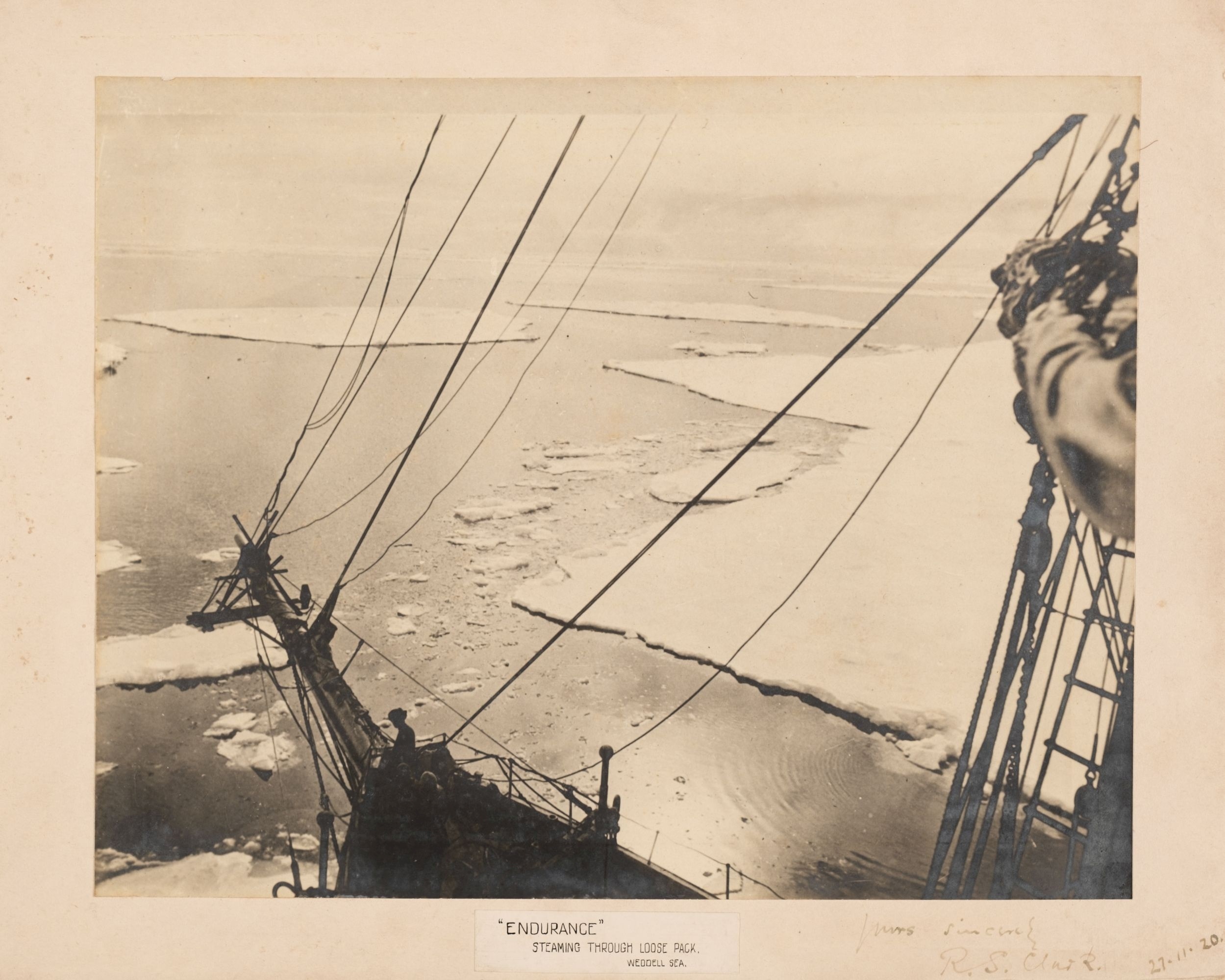
Away from the Far East, a fine vintage gelatin silver print by Frank Hurley of the Endurance steaming through loose pack ice in the Weddell Sea, with a presentation inscription from expedition marine zoologist Robert Selbie Clark, and an album of photographs from the British North Greenland Expedition of 1951 showed that there is still interest in photographic records of historic expeditions to the furthest corners of the earth.
Established Photographers and Market Trends
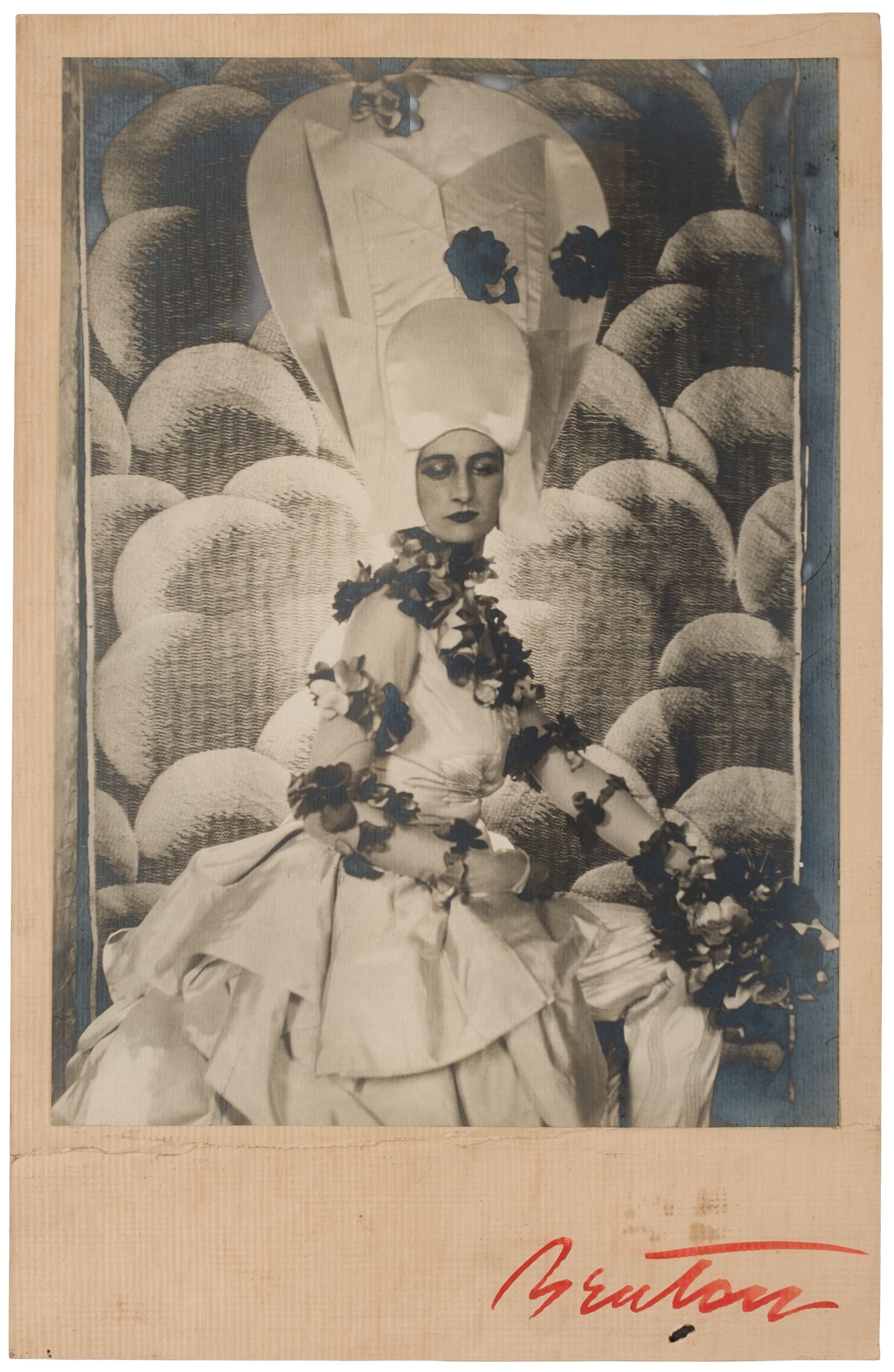
Mainstay photographers of the photography sales such as Roger Fenton, John Thomson, Francis Frith, James Robertson, etc., continue to find buyers when the image and tones are strong, but are liable to struggle otherwise. This was best exemplified with a lovely Cecil Beaton photograph of Maxine Frances Mary ‘Blossom’ Miles (née Forbes-Robertson), 1920s. This photograph was predictably bid on strongly, while other lesser examples of Beaton’s work did not fare so well.
Early Photographic Formats and Processes
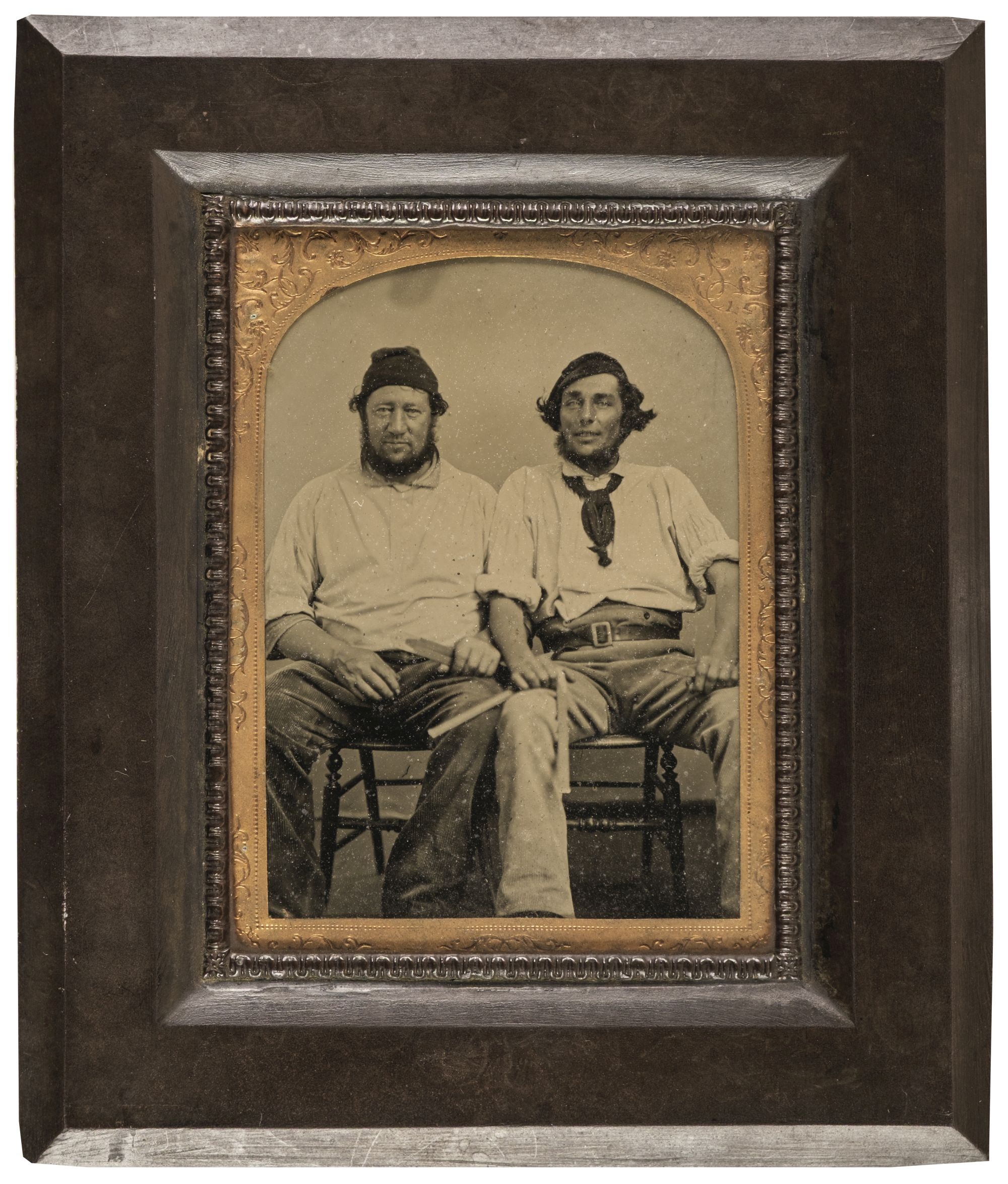
Cased images, lantern slides and negatives provided another mixed picture in these rooms with bidders difficult to entice at all levels of the market. There were, nonetheless, some stand-out prices for a group of four Claudet stereoscopic daguerreotypes of the Reeves and Dyer-Edwardes families, c. 1855, and a good collection of 2,000 topographical half-plate glass plate negatives. The biggest surprise of all, though, was for a quarter-plate ambrotype, c. 1860, showing two slate workers with their tools and mounted in a slate frame. Coming in as part of a private British photography collection the photograph, enhanced by its unique slate frame, created a lot of admiration, the final price finishing up at ten times the estimate.
Conclusion: Looking Ahead to Photography Auctions in 2026
Whether looking at early or contemporary photography it is clear that the market is ever-hungry for good material and we look forward to valuing and selling your photo discoveries and treasures in 2026.
Martin Parr (1952-2025)
The final word on photography for 2025 must go to the great photographic polymath Martin Parr, who sadly died at his home in Bristol earlier this month. As his family, friends and the international photographic community come to terms with his passing, take a moment to celebrate his immense and joyful legacy, starting with the Martin Parr Foundation website, where you will also find a few of the many thousands of tributes flowing in.
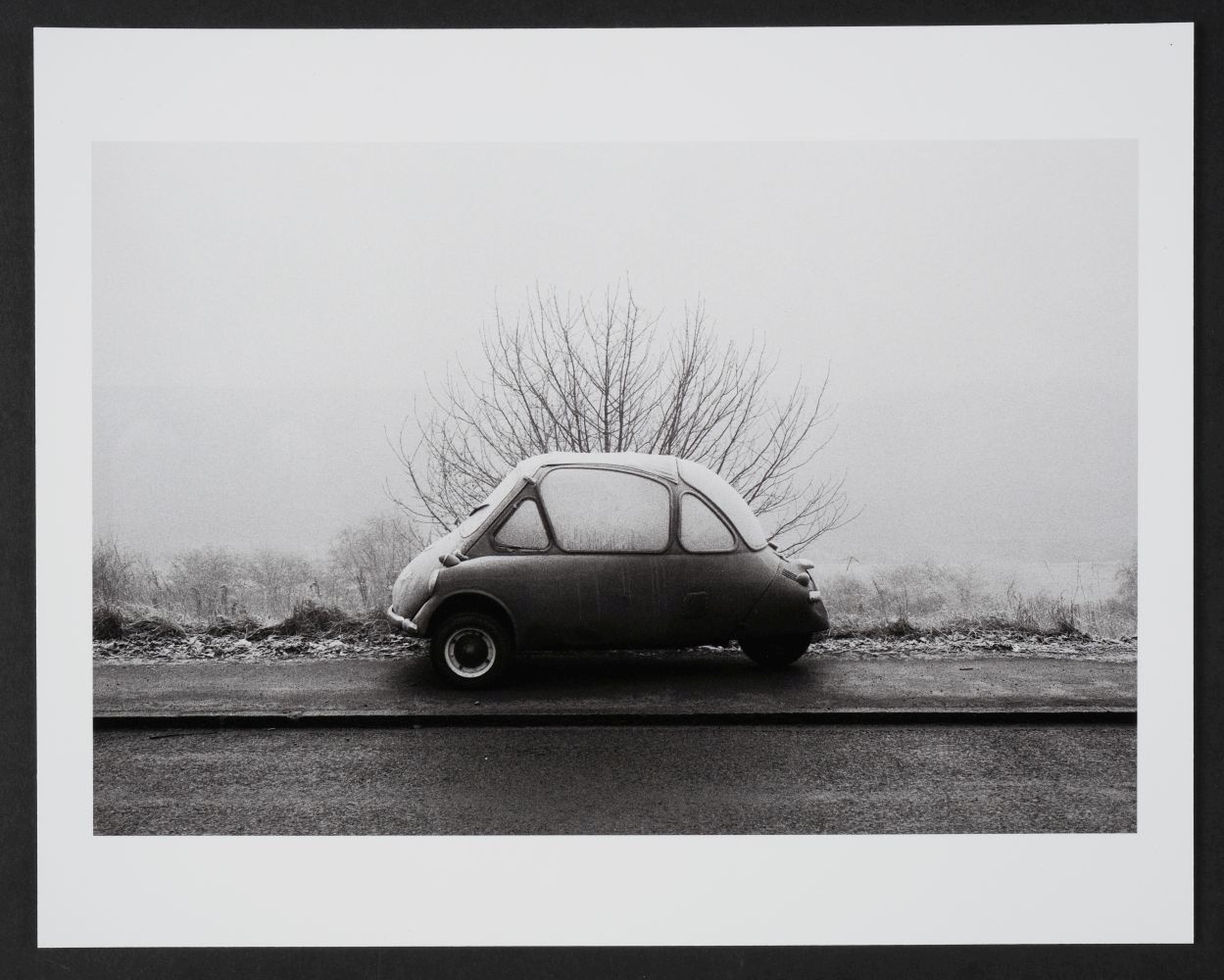
Martin Parr (1952-2025). Elland, West Yorkshire, England, 1978
Upcoming Auctions
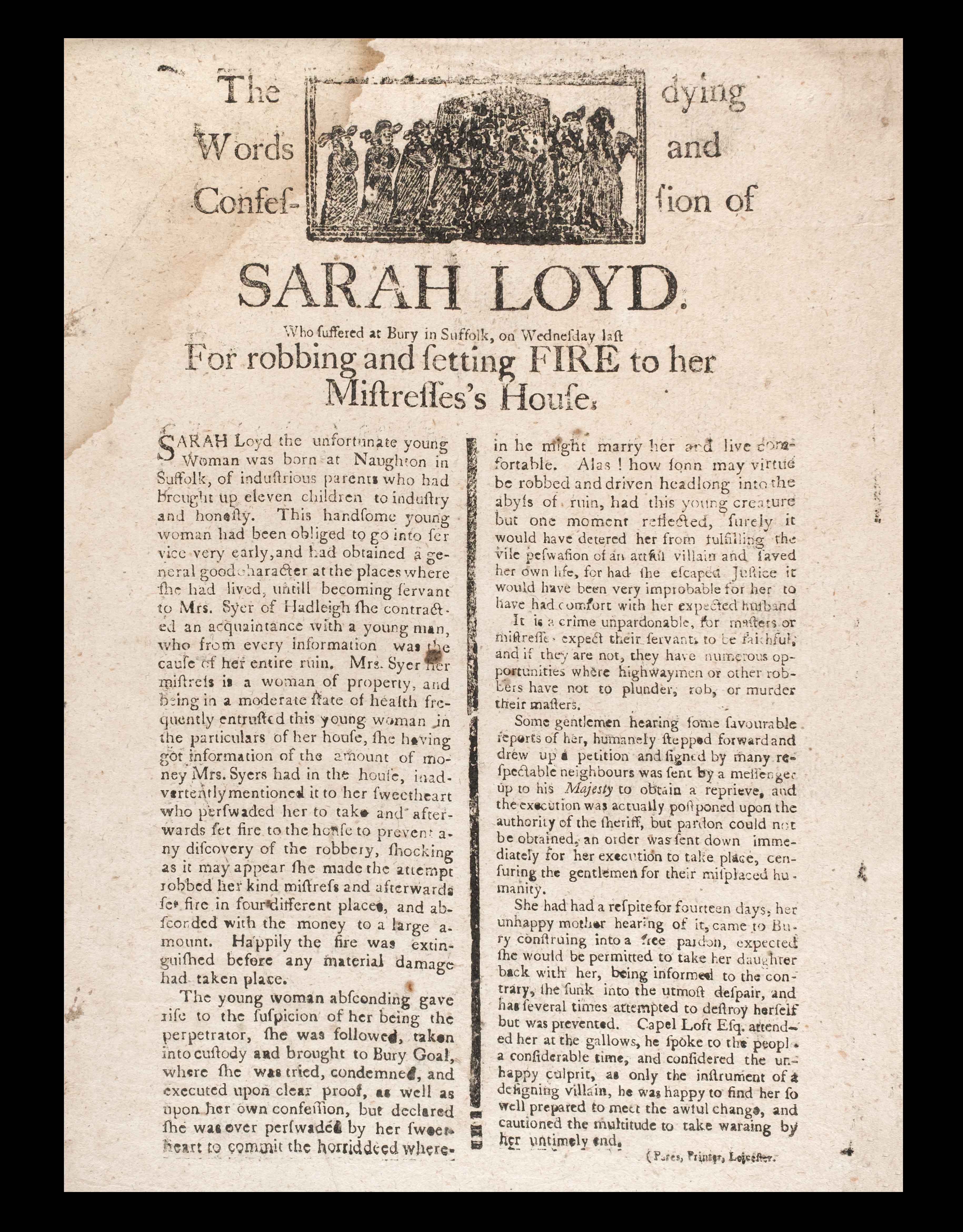
Printed Books, Maps & Documents, Women Writers & Bibliophiles
8th Apr, 2026 10:00