Autographs and Ephemera in 2025
Einstein's Violin and Major Historical Association Items
It would be impossible to have a review of the year without beginning with
Einstein’s violin, ‘Lina’. The provenance for this sensationally historic item was a beguiling tale, and we were very honoured to be chosen as the auctioneers for such a precious article. When the hammer finally and dramatically came down, it had not only shattered the pre-sale estimate and auction house price record, (over £1,000,000 with the premium!), but represented the happy and climactic conclusion to six months of behind the scenes research and planning.
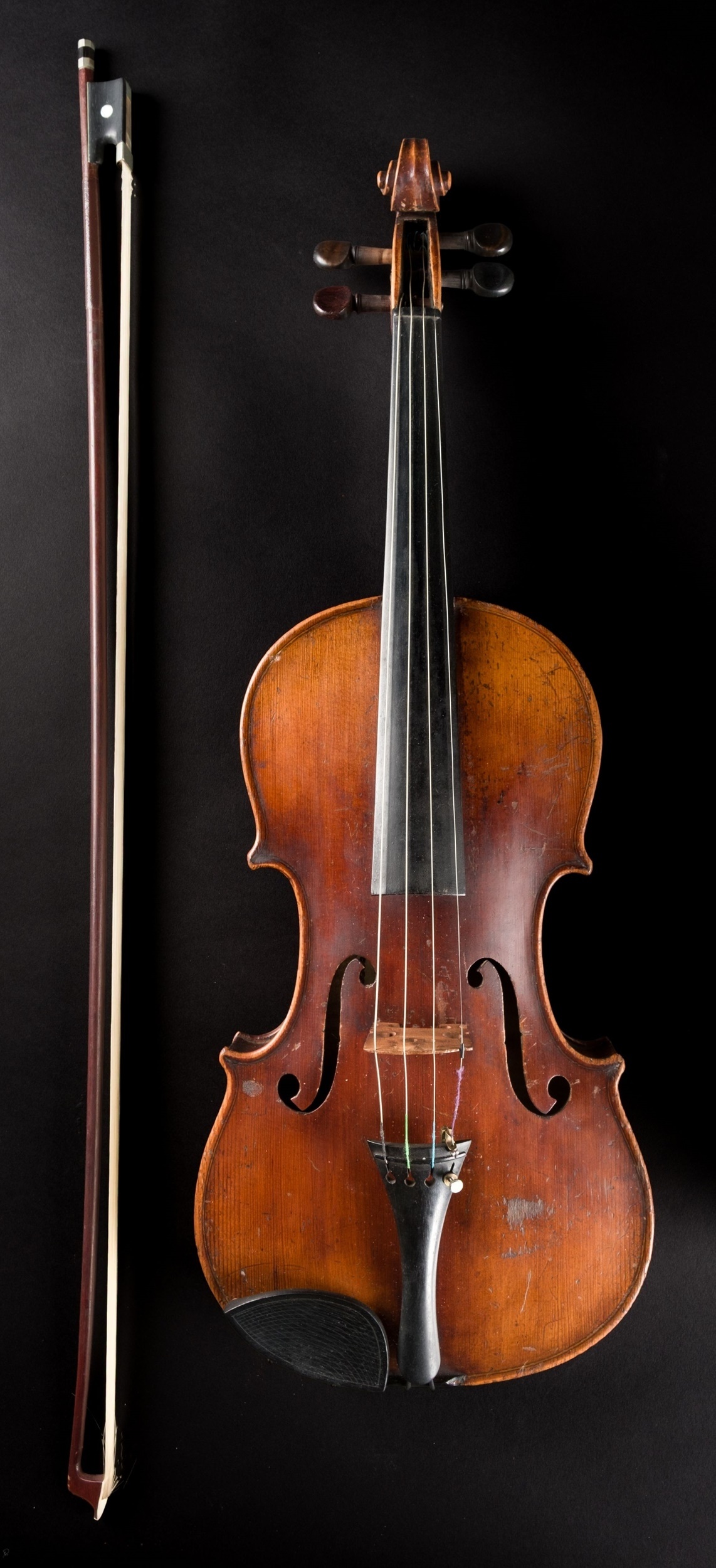
The violin was not in playable condition when it arrived here and so it was a small miracle and a rare privilege to have it sensitively re-stringed with a new bridge, and then to hear it played so beautifully by Leora Cohen before the sale. We are delighted that the violin found a highly appreciative new home where it will be played and cherished for many decades to come. Sadly,
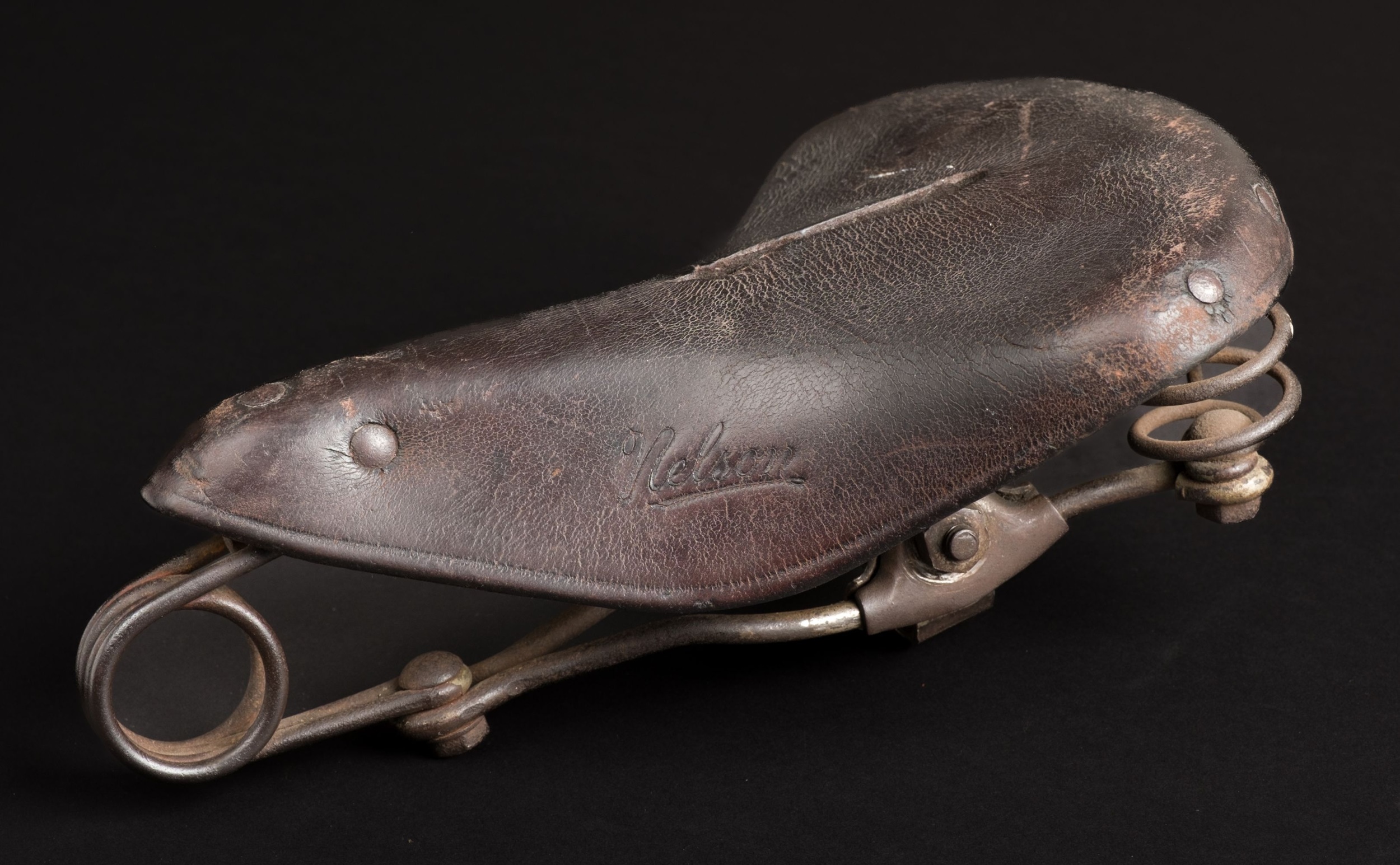
Einstein’s bicycle saddle, perhaps overshadowed by the more internationally newsworthy violin, failed to find a sale, but will be reoffered with an irresistible estimate of £7,000-10,000 in the sale on 20 May 2026.
Other Royal and Historic Association Objects
Albums, Scrapbooks, and Family Archives
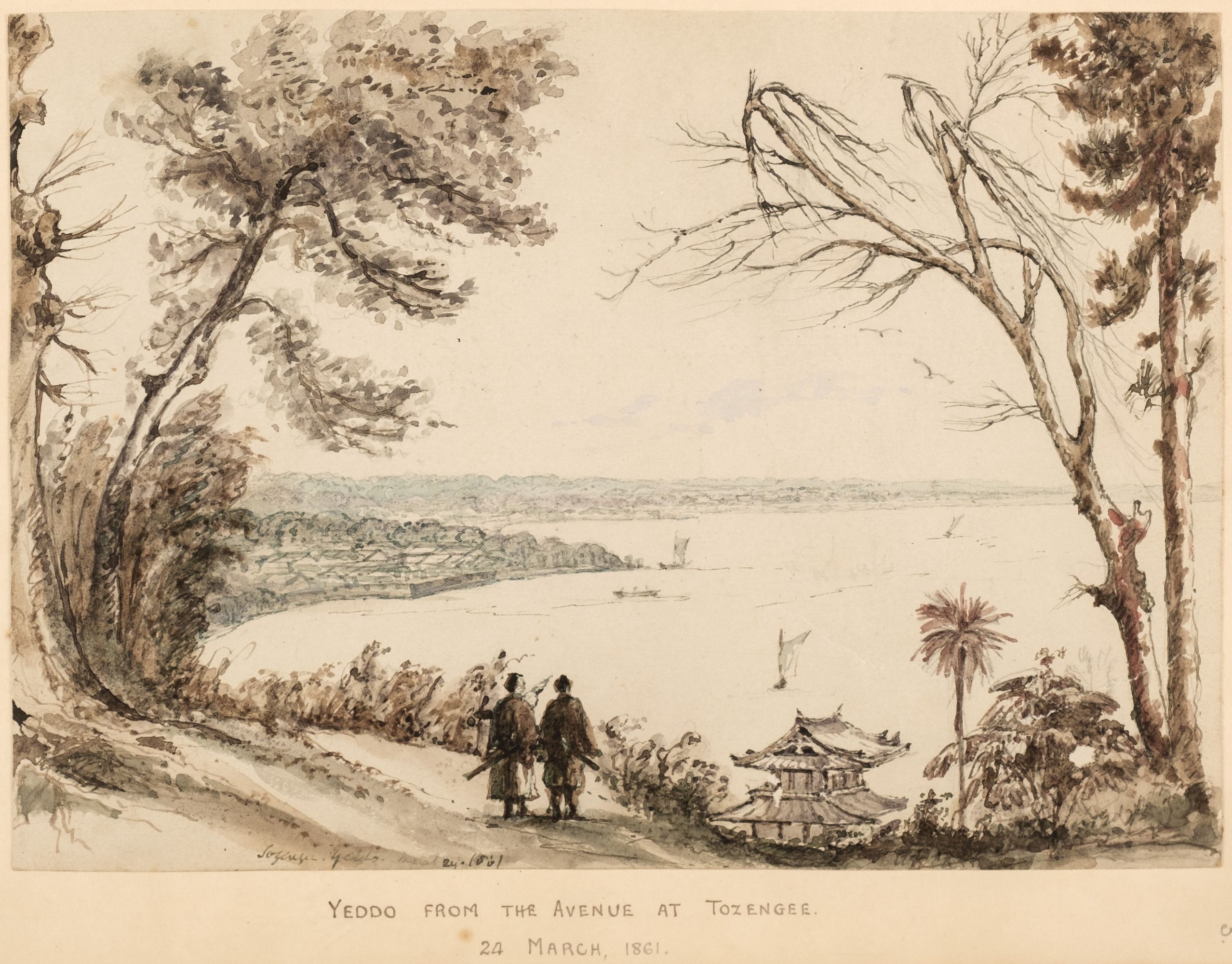
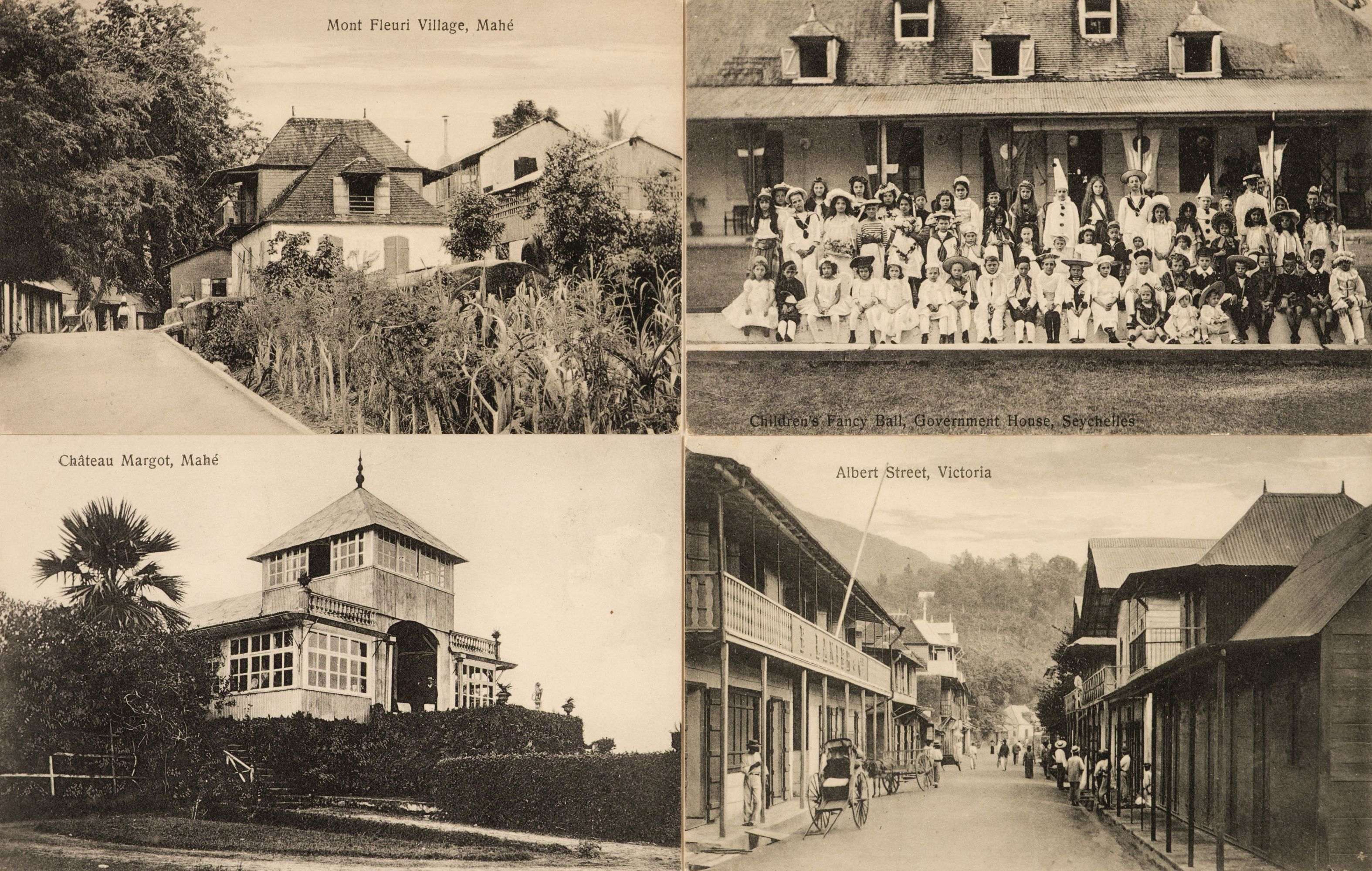
Among the many albums seen and researched this year, one of the most memorable was a magnificent one filled with
watercolours and drawings from the family of John Rutherford Alcock (1809-1897), the first British diplomatic representative to live in Japan. The majority of drawings were published as lithographs and wood engravings in Alcock’s two-volume memoir
The Capital of the Tycoon (1863), and gave westerners a first-hand insight into the newly opened Japan.
Printed Ephemera and Historical Documents
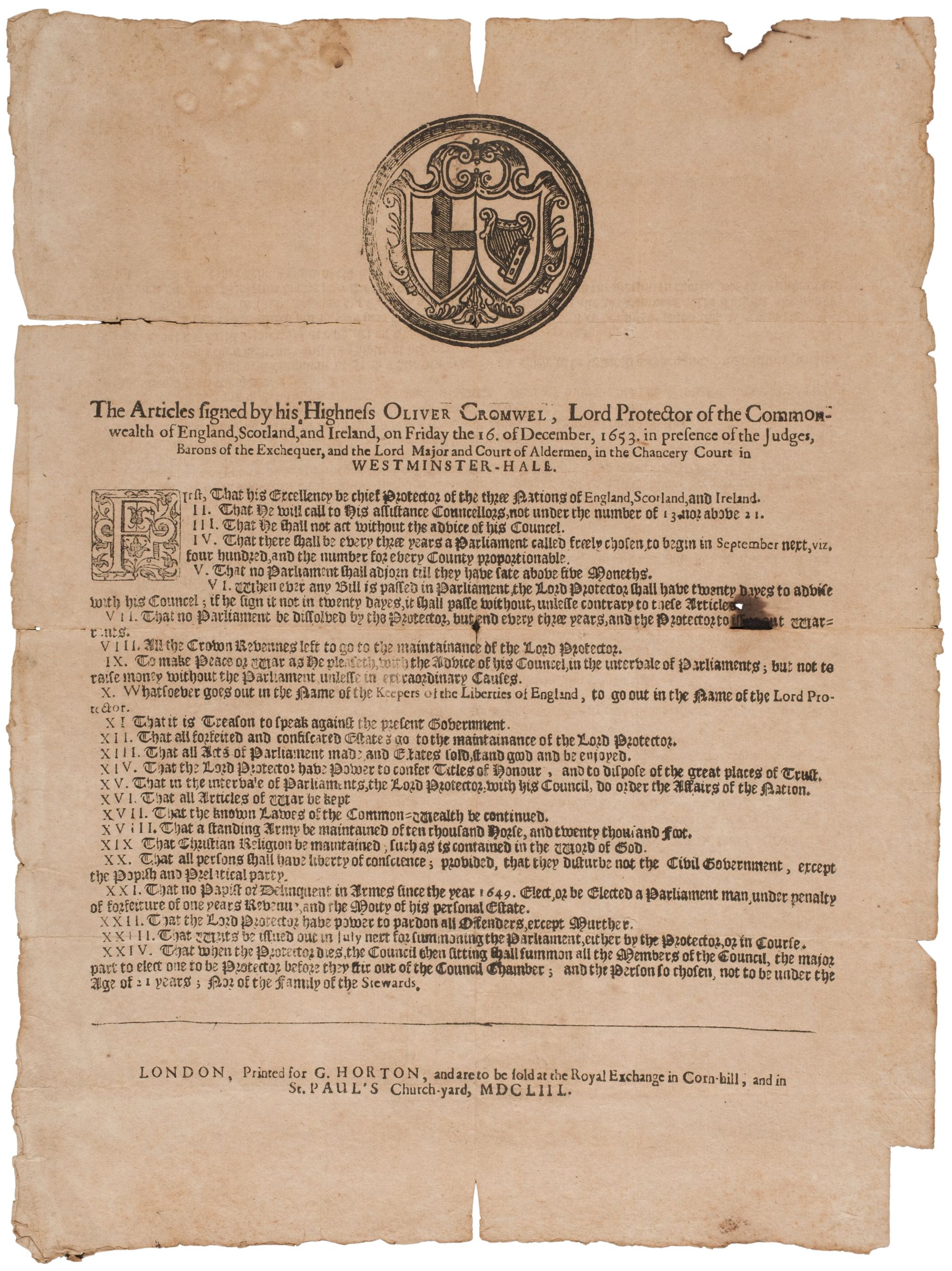
Printed ephemera continues to be of international interest, from broadsides to posters, playbills, and monarch-signed awards and commissions. Every wall and every cupboard and drawer of every house has the potential to yield something remarkable. The highlights that come to mind were
a rare Cromwellian Instrument of Government broadside of 1653, and an equally important
Bill of Rights document from 1689. These turned up from separate, private sources and happily aligned as consecutive and symbiotic lots in October.
Manuscript Ephemera
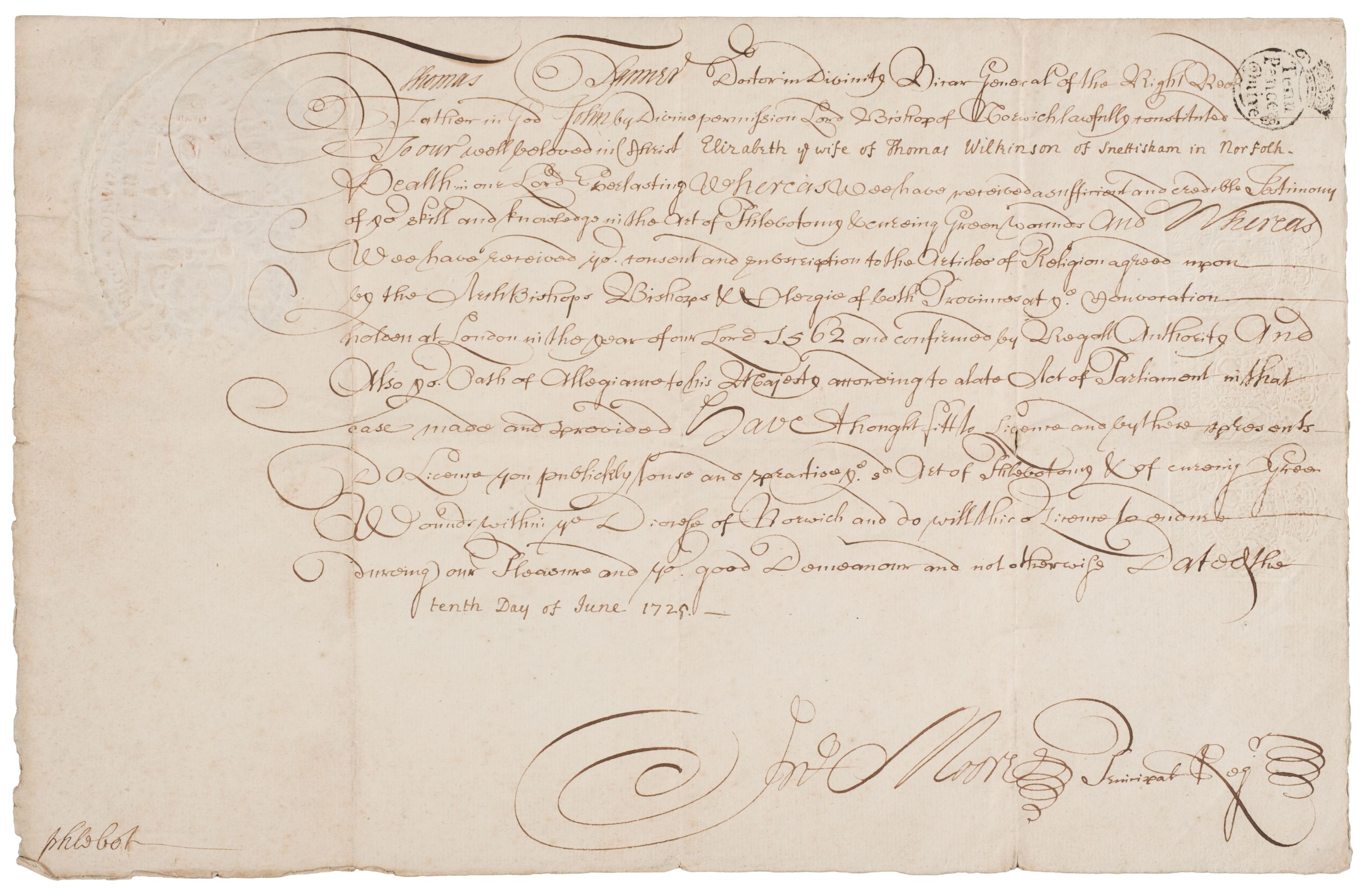
A manuscript ephemera favourite of 2025 was
a phlebotomy licence, awarded by the Bishop of Norfolk to Elizabeth Wilkinson of Snettisham, Norfolk, in 1729. With no other printed or manuscript phlebotomy (bloodletting) licence traced, (for either a man or a woman), interest was intense with bidders reluctant to give up the fight and demonstrated how there is sometimes no right or wrong price when you have a unique item such as this.
Major Autograph Collections
Two notable but very different autograph collections saw their final portions come under the hammer. The first was the remarkable autograph collection of Quaker antiquary and prodigious collector Martha Spriggs (1777-1866). Manuscript poems by John Clare, words in the hand of John Keats and a letter by Lord Byron had been sold previously, but there were still some gems to be found in the remaining lots. The individual highlights were a keenly fought for
Isaac Newton signed document while Master of the Mint (with the last two letters of his surname torn away) and a John Wesley letter. While Martha Spriggs clearly leaned into a wide network of Quaker friends and acquaintances to build her collection, Peter Bland’s no less remarkable autograph collection was a single-minded obsession, the collection largely built in person and by post in the second half of the twentieth century. Nobody was immune to Peter’s autograph requests it seems and this final portion saw good groupings of autographs of presidents and world leaders, royalty, military and naval leaders and politicians, religious leaders, composers, musicians, actors, writers, scientists and assorted mavericks.
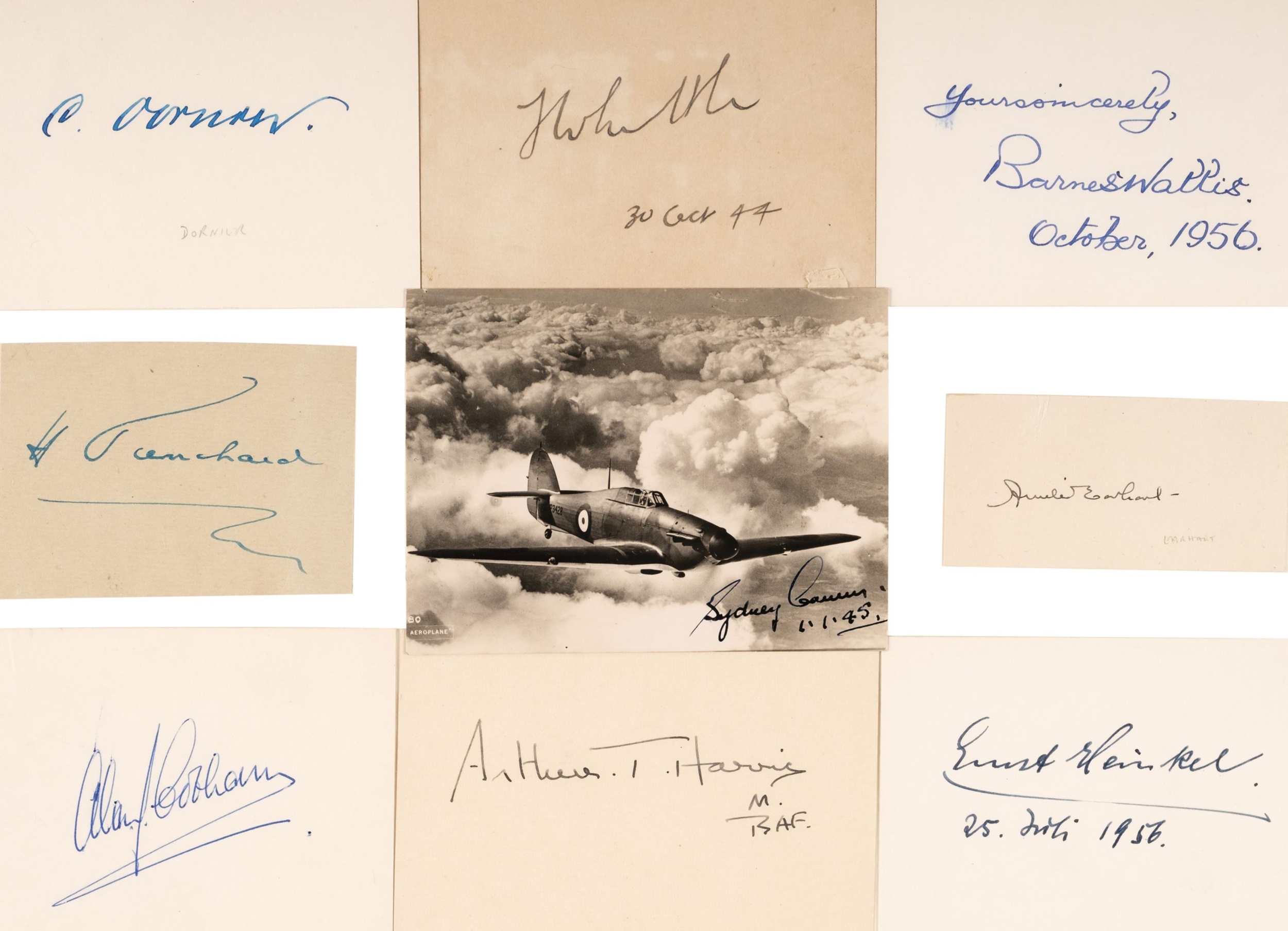
High price in this final portion was for
a group of aviation autographs that included Amelia Earhart, Douglas Bader, Jean Batten, Frank Whittle and a number of others.
Literary Autographs
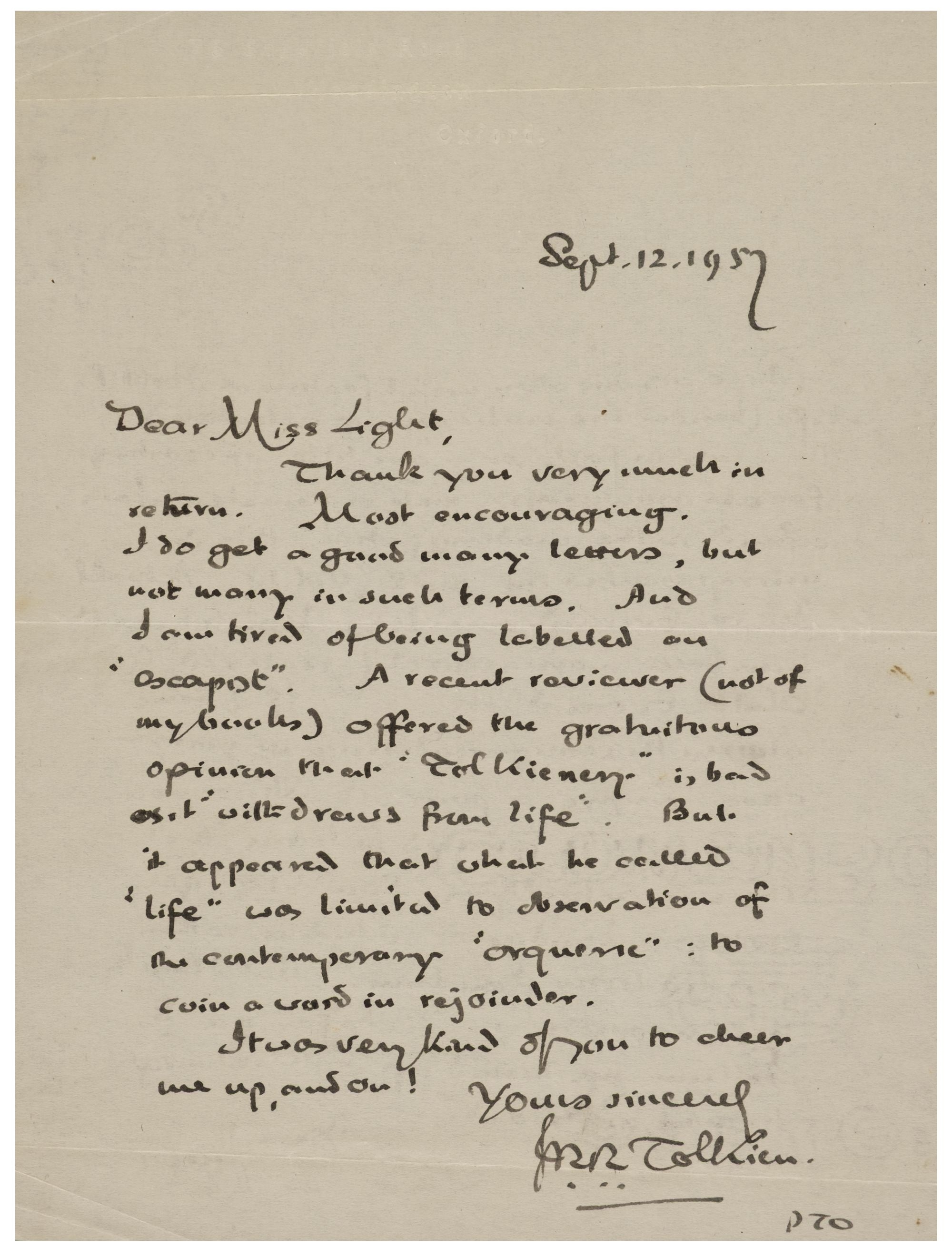
There were special autographs throughout the year, but notable mention has to go two of the Inklings, interest in whom continues unabated. First up was a delightful
letter from J. R. R. Tolkien to an unknown female
Lord of the Rings fan in which the author mentions,
inter alia, that he had been contacted by a real-life, and somewhat puzzled, Sam Gamgee, and that he is yet to hear from anyone called Gollum, which ‘might be more awkward’.
Denser to read was
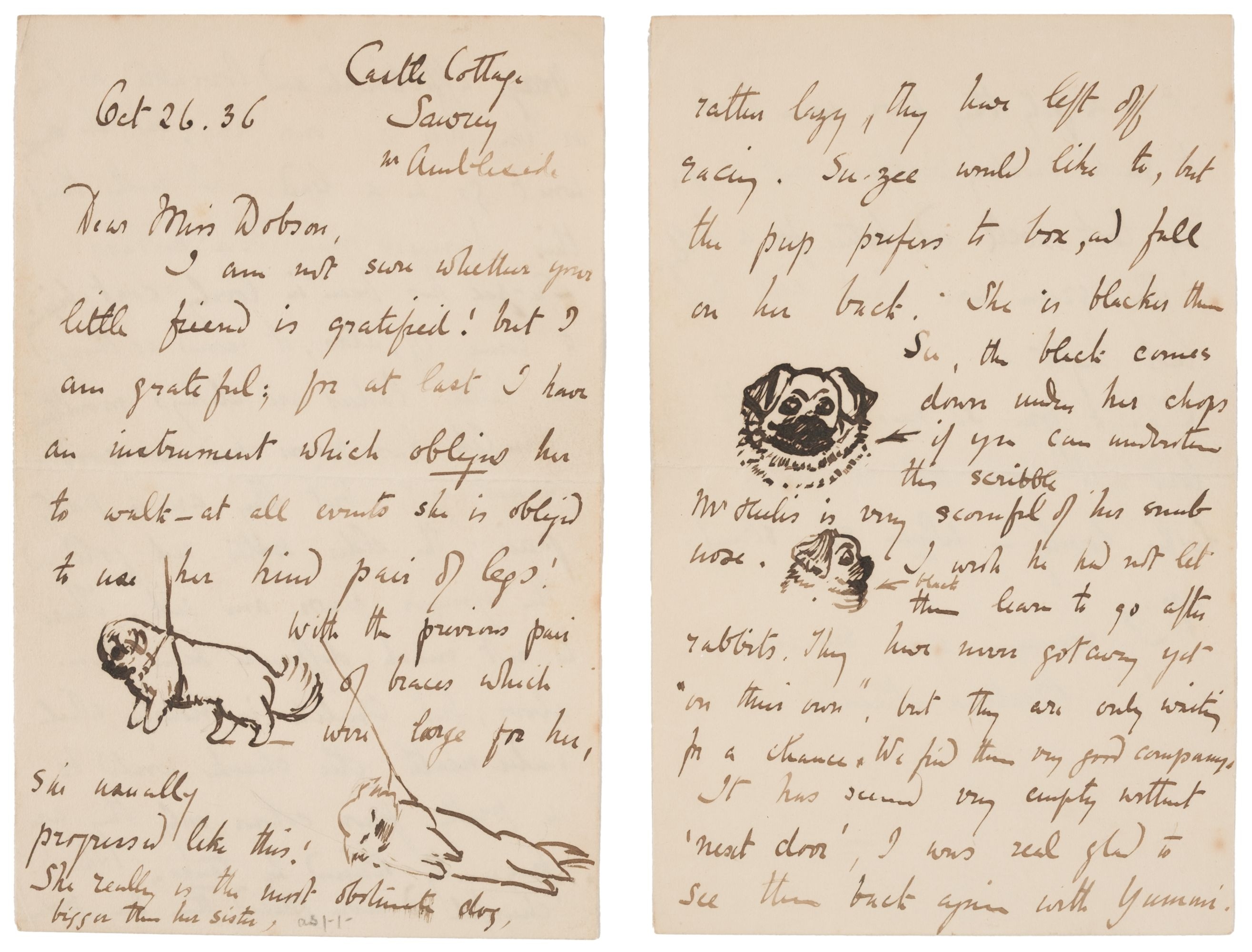
a lengthy letter from C. S. Lewis in which he discussed myth, consciousness and evil. While there was no reference to the Narnia books interest was high and this price also doubled estimate. As a coda, for those that live in hope of stumbling across such items tucked inside books, or at charity shops and car boot fairs, it does happen. The Tolkien letter was by good fortune found folded inside a plastic bag in a garage full of clearance books, while
a George Macdonald book bearing the youthful ownership signature of C. S. Lewis, was recently nosed out from the stock of a bric-a-brac shop for a couple of pounds.
Another personal highlight of the year was
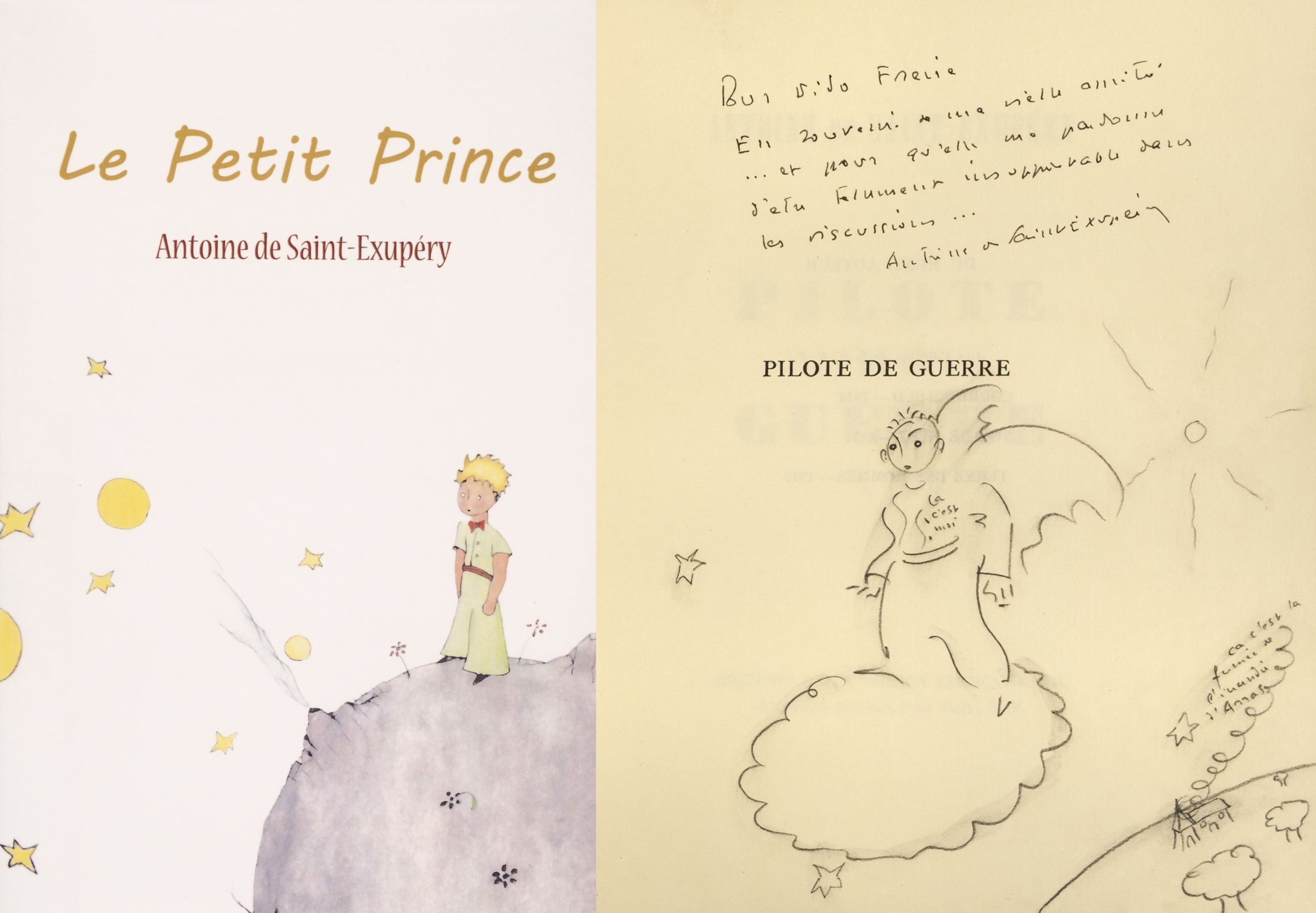
a signed presentation copy of Antoine de Saint-Exupéry’s Pilote de Guerre (1942). Coming from the family of the film-maker Jean Renoir, (do watch his films!), this copy bore a signed presentation inscription from St-Ex to his close friends Jean Renoir and wife-to-be Dido Freire, the book being written while living with them in California. Beautifully drawn as part of the inscription was a pen and ink self-portrait which bore a striking similarity to the front cover image of the as-yet unwritten
Le Petit Prince.
Manuscript Cookery Receipt Books
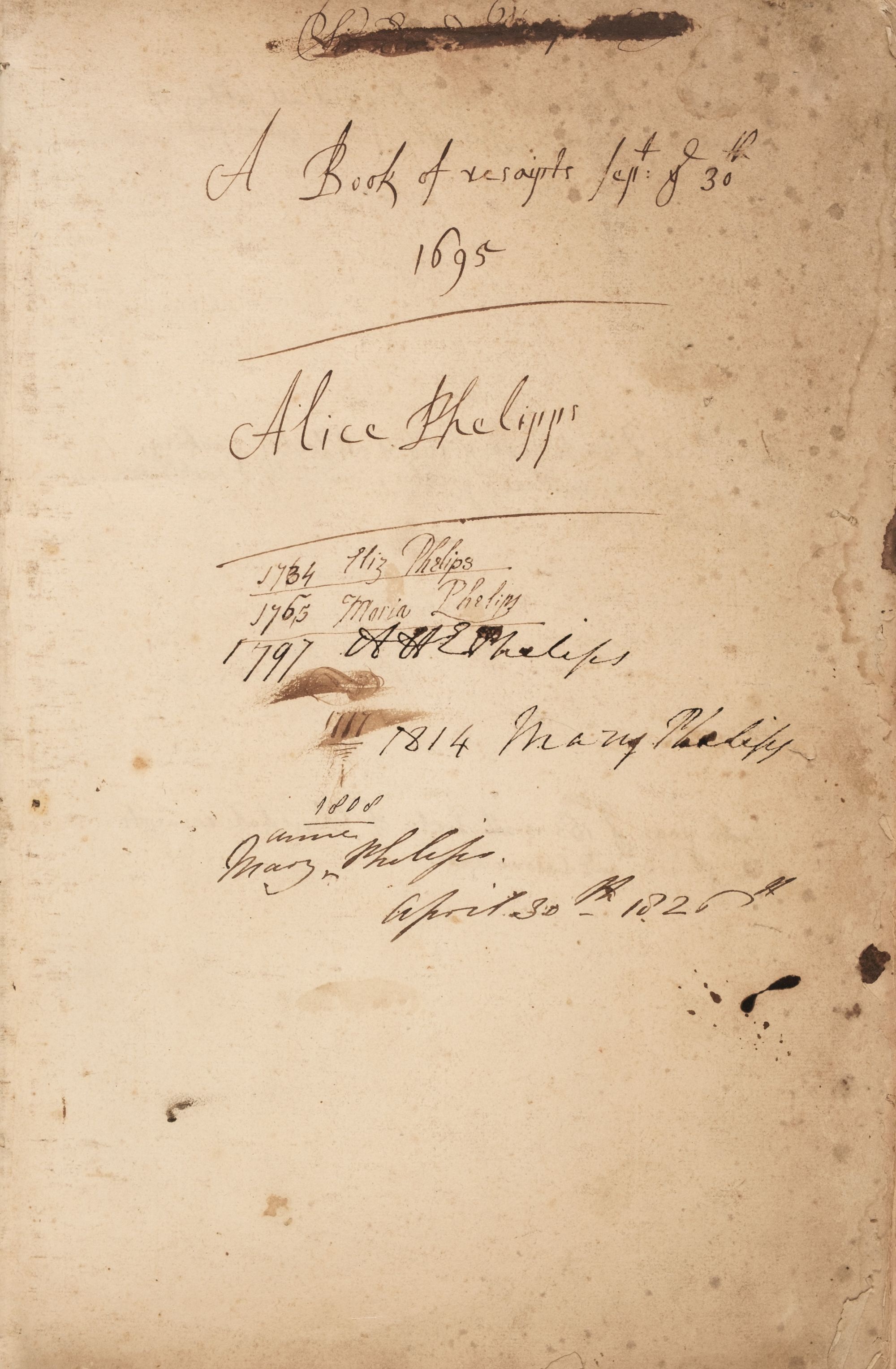
When it comes to manuscripts, special mention should be made of manuscript cookery receipts books which we are forever looking to unearth. Ever-popular they hold interest for regional cooking and household cures across the classes, with attendant regional variations in language use and etymology. While so many are copies or variants of the published recipes of Elizabeth Raffald, etc., it is rare to not find some interesting jewels of information in each unique copy. As a rule, the earlier the better, with a premium being paid for copies compiled before 1700, especially so when personal names are identified. Highlight for 2025 was
a manuscript receipts folio begun by Alice Phelipps of Montacute, Somerset, in 1595, and then continued by her and her descendants into the 19th century.
Conclusion: Collecting Autographs and Ephemera in 2026
Autographs, manuscripts, archives, handwritten and printed ephemera in all its manifestations, is increasingly popular, with every collector being able to claim ownership of unique items. While it is a vast area with more than its fair share of headaches – illegibility and historical obscurity, fakes and forgeries, reprints and facsimiles – ephemera offers rich rewards for the patient and the openly curious. 2026 may be just the year to finally sort through the house, attic and garage and give us a call to tell us what wonders you have found!